


Wholesome Sweeteners 16-Ounce Organic Coconut Sugar – Allergy-Friendly Sweetener for School Lunch Prep and Family Baking
Wholesome Sweeteners 16-Ounce Organic Coconut Sugar – Allergy-Friendly Sweetener for School Lunch Prep and Family Baking
Couldn't load pickup availability
Why you'll love it
- Single-ingredient purity — nothing added, nothing processed
- Certified clean label (USDA Organic, Non-GMO Project Verified, Gluten Free, Vegan, Kosher) gives confidence to restricted-diet shoppers
- Fair Trade sourcing from Indonesian coconut palm cooperatives appeals to ethically driven buyers
- Direct 1-for-1 swap for white or brown sugar eliminates recipe recalculation
- Lower-glycemic, mineral-rich alternative to refined cane sugar for wellness-minded consumers
- Bulk 3-pack offers pantry value and reduces repurchase frequency for heavy bakers
Perfect for
- Replace refined white or brown sugar 1-for-1 in cookies, cakes, and muffins
- Sweeten morning smoothies, coffee, or tea with a lower-glycemic option
- Build sweet-savory sauces, glazes, and marinades for weeknight dinners
- Stock a multi-pack (3-bag) as a long-term pantry staple for frequent bakers
- Sprinkle over oatmeal, yogurt bowls, or granola for natural caramel-like sweetness
About this item
DELICIOUSLY SWEET INGREDIENTS: Our Organic Coconut Sugar is made from one pure and simple ingredient - organic coconut palm sugar.
USAGE: Our organic coconut sugar can be used as a one-for-one replacement for refined white sugar or brown sugar in sauces, beverages or in baking.
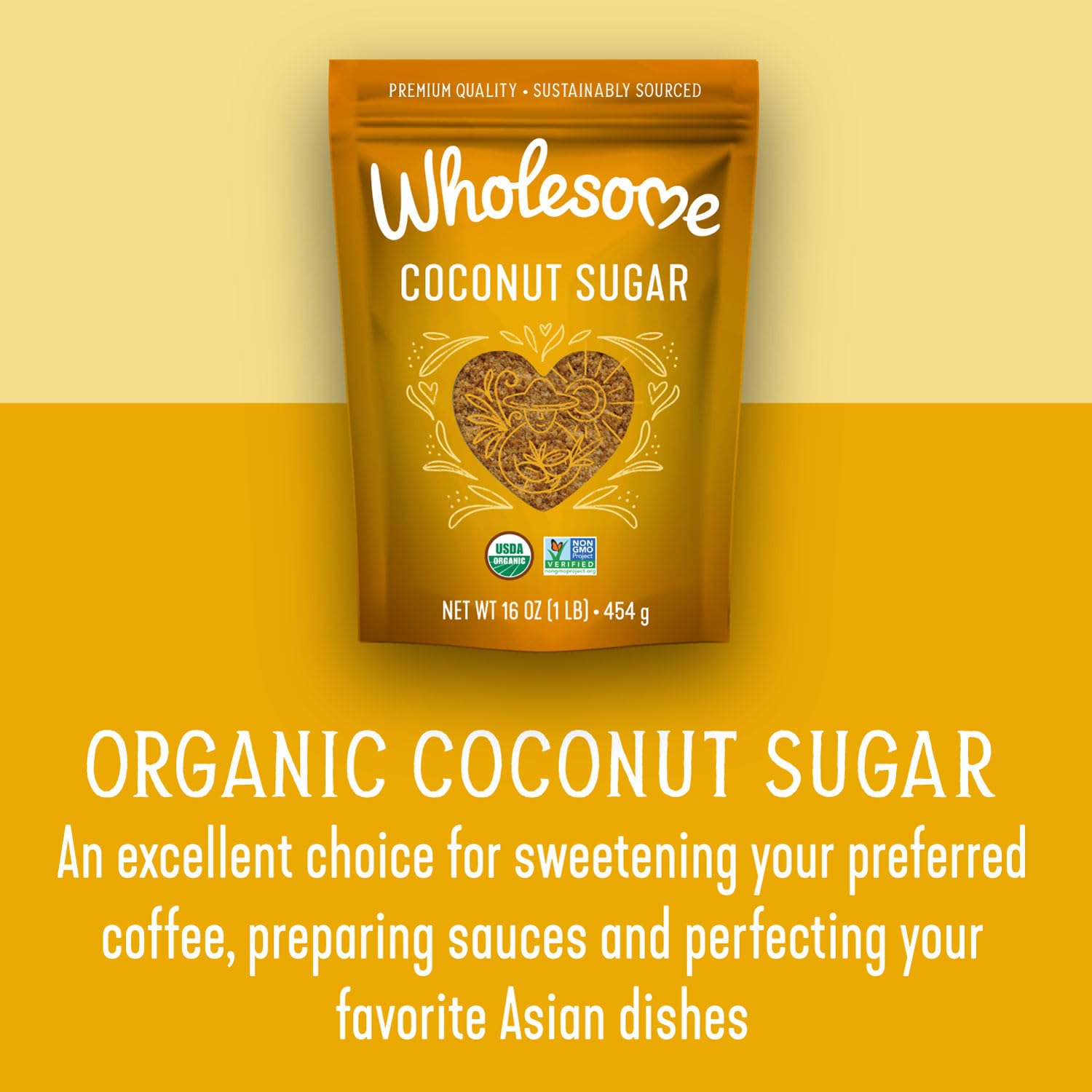
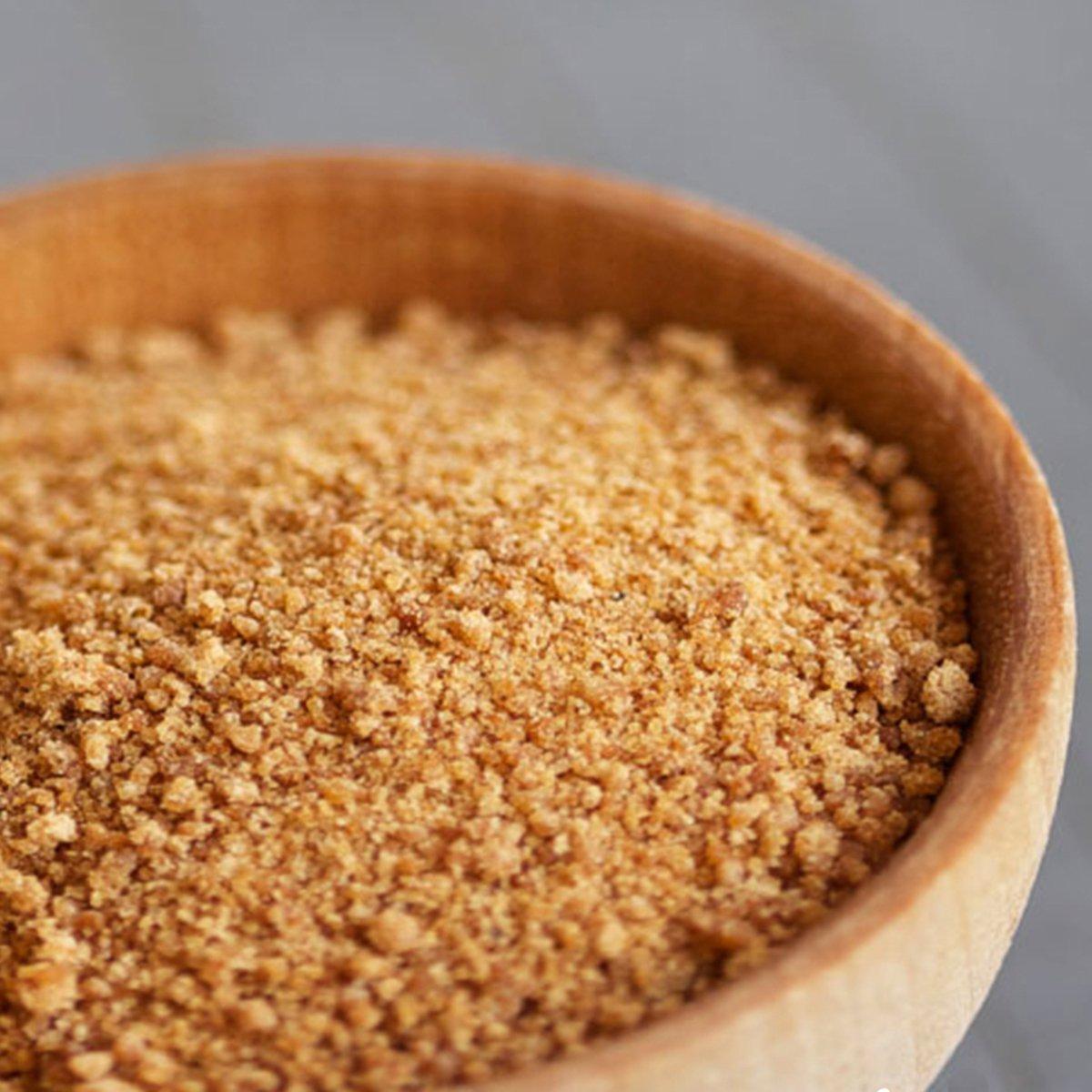
SOURCING: Our Organic Coconut Sugar is sustainably grown in Indonesia and harvested by tapping the sweet nectar from the tropical coconut palm tree flower.
CERTIFIABLE QUALITY: USDA Organic, Non-GMO Project Verified, Kosher Certified, Gluten Free, and Vegan
WHOLESOME MISSION: We are on a mission to create positive meaningful change by bringing bakers, makers and farmers together through better food. We believe everyone deserves All the Best - in your baking and making, for our farmers and for our planet.
- Product Dimensions : 6.1 x 4.7 x 2.2 inches; 1 Pounds
- Ingredients: Organic coconut palm sugar. Sugar and sugar products do not have a shelf life that fit the "normal" definition of shelf life
- Nutritional value: On the product
Frequently Asked Questions
Is this sweetener safe for a child with a nut or dairy allergy?
Yes. It is made from a single ingredient, organic coconut palm sugar, and is certified Gluten Free, Vegan, and free from the top common allergens including dairy, soy, egg, peanuts, and tree nuts. It is produced in a dedicated coconut sugar facility, which adds an extra layer of confidence for allergy-managed households.
Can I use this in school lunch snacks like muffins or granola bars?
Yes. Because it is certified Gluten Free, Non-GMO, and free from common allergens, it is widely used in school-safe baking. It measures 1-for-1 like white sugar, so you can adapt favorite muffin, granola bar, and snack ball recipes without recalculation.
Is this OK for a child on a low-sugar or sugar-reduced diet?
Coconut palm sugar is still a sugar and should be portioned mindfully in a child's diet, but its lower glycemic index and trace mineral content make it a popular upgrade for families trying to reduce reliance on refined sugar. Always work with your pediatrician for any specific dietary plan.
Will the flavor be too strong or unusual for kids?
Most kids describe it as a richer, slightly caramel version of regular sugar, and it disappears into chocolate chip cookies, pancakes, oatmeal, and smoothies without pushback. Picky eaters rarely notice the swap in baked goods where it is combined with vanilla, cinnamon, or fruit.
Is the packaging child-safe and easy for a parent to reseal?
The resealable pouch is easy for an adult to open and close securely, and it stays sealed in a pantry or snack drawer. As with any food product, it should be stored out of reach of young children to prevent unsupervised snacking.
Is this a good option for a vegan or plant-based family?
Yes. It is certified Vegan and made from coconut palm nectar only, with no animal-derived ingredients or processing aids. It is a popular pantry staple for vegan families who want a versatile sweetener for baking, smoothies, and breakfast bowls.
Can I use this for a baby or toddler once solids are introduced?
Most pediatric guidance recommends minimizing added sweeteners for babies and very young toddlers, and coconut sugar is still an added sugar. Once your pediatrician has cleared small amounts of added sweeteners in your child's diet, this is a clean-label option to use in moderation.
Is this safe for a child with celiac disease or gluten sensitivity?
Yes. It is certified Gluten Free and made in a dedicated coconut sugar facility, so it is safe for kids managing celiac disease or gluten sensitivity. It is also free from wheat, barley, rye, and cross-contamination risks that come with many processed sweeteners.
Will the darker color of this sugar change how my kids' treats look?
It produces a slightly darker, more golden color in baked goods, similar to using light brown sugar. In chocolate-based recipes this is virtually invisible, and in vanilla cakes it simply reads as a warmer, more homemade-looking crumb.
How does this compare to using honey in kid-friendly baking?
Honey is not recommended for children under one year due to botulism risk, while coconut palm sugar is safe for all ages once solid foods are introduced. Coconut sugar also measures 1-for-1 like granulated sugar, so you can adapt recipes without adjusting other liquids.
Is this a better choice than white sugar for kid's breakfast items?
Many parents prefer it for oatmeal, yogurt parfaits, and pancake batter because it is less refined, has a lower glycemic index, and is free from additives. The mild caramel flavor also tends to satisfy a child's sweet tooth with slightly less added sugar overall.
How does this compare to using maple syrup in kid's snacks?
Maple syrup is a great natural option, but it adds significant liquid and can make granola bars, muffins, and snack balls soggy if not adjusted. Coconut sugar keeps the dry texture of baked snacks intact while still offering a more natural sweetener profile.
Can I bake with this for a school bake sale or classroom party?
Yes. The certified allergen-friendly profile makes it a thoughtful choice for school events where you may not know every child's dietary needs. It is also clearly labeled, which helps parents and teachers identify it as a clean, plant-based sweetener.
Will the bag stay fresh through a long school year of weekend baking?
Yes. Coconut palm sugar is shelf-stable for an extended period when stored sealed in a cool, dry pantry, and the resealable closure keeps moisture out. The 3-pack is especially well-suited to families who bake weekly and want to avoid running out mid-recipe.
Is this sweetener easy for kids to help measure and pour?
The free-flowing crystals scoop and pour like standard granulated sugar, which makes it easy for older kids to help with baking. Younger kids can sprinkle it over oatmeal or yogurt with a small spoon for a fun kitchen learning moment.
Is this a better option than artificial sweeteners for a child?
Many parents prefer unrefined, single-ingredient sweeteners over artificial options because of the cleaner ingredient profile and the way they behave in recipes. Coconut sugar offers a more natural sweet taste that kids accept readily, without the aftertaste some children notice with artificial sweeteners.
How do I substitute coconut sugar for white or brown sugar in a recipe?
Swap it 1-for-1 by volume or weight. You can replace white or brown sugar measure for measure in cookies, cakes, muffins, quick breads, and most sauces. The result will be a slightly darker color and a gentle caramel note, with a similar rise, spread, and browning.
Can I use coconut sugar to make caramel or candy?
Yes, with some patience. Because coconut palm sugar retains more moisture than refined white sugar, it behaves more like brown sugar in candy making. Use a candy thermometer, cook to the same temperatures you would for traditional caramel, and expect a slightly deeper, more butterscotch-like flavor.
What is the best way to store coconut sugar after opening?
Press the resealable closure firmly to remove excess air, then store the bag in a cool, dry pantry away from direct sunlight and the stove. If you live in a very humid climate, decanting into an airtight glass jar will keep the crystals free-flowing for many months.
Is this product compatible with keto, paleo, or Whole30 diets?
Coconut sugar is generally accepted in many paleo-friendly and clean-eating lifestyles, but it is not compatible with strict keto or Whole30 protocols because it is still a sugar. It can usually be incorporated into a paleo template, and is often used as a transitional sweetener when moving away from refined sugar.
Does it work with a stand mixer, hand mixer, and standard baking tools?
Yes. The crystals cream into butter just like granulated sugar in a stand mixer or with a hand mixer, and they measure and pour with standard measuring cups and spoons. No special equipment is needed to bake with it.
What is in the bag when I open it, and do I need to buy anything else to start using it?
Each 16-ounce pouch contains pure organic coconut palm sugar and nothing else. There is no setup required, and you do not need to purchase any additional ingredients, equipment, or measuring tools beyond what you already use for everyday baking and sweetening.
Is coconut sugar safe for people with diabetes?
Coconut palm sugar has a lower glycemic index than refined cane sugar, but it is still a sugar and will affect blood glucose levels. It can be a better-for-you swap in moderation, but anyone managing diabetes should count it toward their carbohydrate intake and consult their healthcare provider for personalized guidance.
Does coconut sugar contain allergens like gluten, dairy, soy, or nuts?
No. It is made from a single ingredient sourced from coconut palm nectar and is certified Gluten Free, Vegan, and free from the top common allergens. It is produced in a dedicated coconut sugar facility to minimize cross-contamination risk for sensitive households.
What is the difference between coconut sugar and regular cane sugar?
Coconut sugar is made by evaporating the sap of the coconut flower, which preserves trace minerals and a lower glycemic index, while cane sugar is heavily refined from sugarcane juice, stripping away most nutrients. Coconut sugar has a darker color, a mild caramel flavor, and a fair trade, single-ingredient profile, whereas cane sugar is more neutral in taste and significantly more processed.


