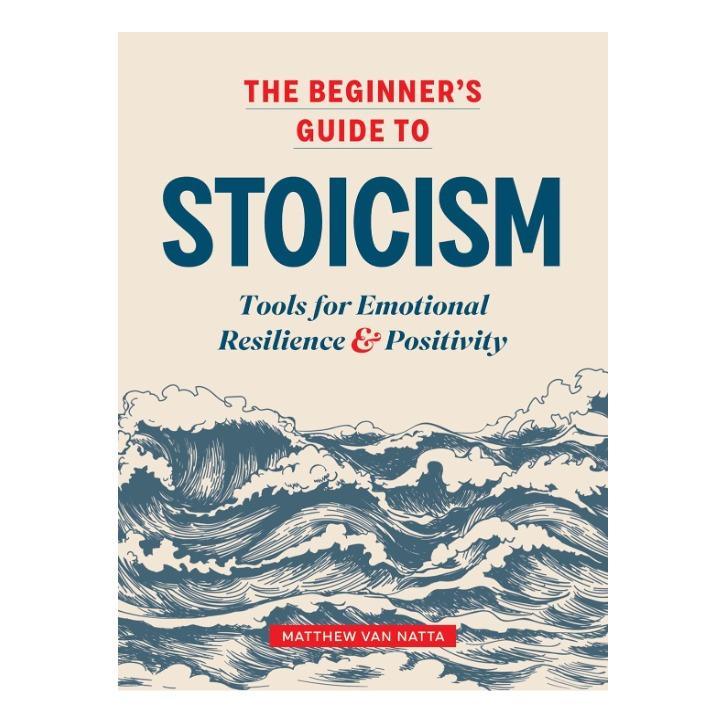
The Beginner's Guide to Stoicism: Tools for Emotional Resilience and Positivity - Focus and Mental Reset Tool for Home Office and Study Sessions
The Beginner's Guide to Stoicism: Tools for Emotional Resilience and Positivity - Focus and Mental Reset Tool for Home Office and Study Sessions
Couldn't load pickup availability
Why you'll love it
- beginner-friendly format removes the intimidation of academic philosophy texts
- practical tools and techniques appeal to readers who want action, not just theory
- focus on positivity and resilience aligns with modern mental health priorities
- compact beginner's guide delivers value without committing to lengthy multi-volume works
- timeless Stoic wisdom reframed for contemporary challenges like social media stress and burnout
Perfect for
- daily Stoic reading and reflection practice to build emotional resilience
- guided introduction to Stoic philosophy with no prior background required
- mental reset tool during high-stress work or life transitions
- complementary self-help resource alongside therapy or mindfulness practice
- thoughtful gift for someone navigating anxiety, grief, or career uncertainty
Optimize joy, overcome obstacles―discover the calm of stoicism
Being a stoic means embracing positivity and self-control through the ability to accept the uncertainty of outcomes. With this stoicism guide, the beginner stoic will learn how to take charge of their emotions on the path to sustained happiness and satisfaction.
This easy-to-navigate stoicism guide gives you the emotional tools needed to let go of the things you can't control and find joy in what you have. Through thought-provoking strategies and exercises, this book helps you find contentment so you can build closer relationships and become an active member of society.
The Beginner's Guide to Stoicism includes:
- Evolution of stoicism―Discover the history of stoicism and how its principles can help you find peace.
- Complete the mindset―Find acceptance using an essential emotional toolkit based on the disciplines of Desire, Action, and Assent.
- Time to reflect―Apply what you've learned to your own life with ethical questions, quotes, and exercises.
Change your perception, focus on positivity―become the best version of yourself with The Beginner's Guide to Stoicism.
Frequently Asked Questions
Can this book help me handle work stress and burnout?
Yes. It is designed as a mental reset tool for high-stress work environments, with short exercises that fit into a busy schedule between meetings or at the end of the day.
Is this useful for entrepreneurs and founders under pressure?
Many founders and professionals use it as a daily reset. The Stoic focus on what you can control maps directly to entrepreneurship and decision-making under pressure.
Does it help with focus and mental clarity during the workday?
Yes. Readers often use a single exercise or chapter as a midday focus ritual to reset attention and reduce mental clutter during deep work.
Can students use this to support studying and academic focus?
It is popular with college students because the short chapters are easy to read between classes, and the resilience tools help with exam stress and academic pressure.
Is this a good companion for journaling or a morning routine?
Absolutely. The daily exercises work well as journaling prompts, and many readers use the book as the first step of a structured morning practice.
How much time do I need to commit each day to see results?
Most readers spend 10 to 20 minutes per day. The chapters are short by design, so it fits into a commute, a lunch break, or a morning routine.
Does this book actually improve productivity, or is it just mindset?
It is practical rather than theoretical. The exercises are designed to reduce reactive thinking and improve decision-making, both of which directly affect productivity.
Is this better than a productivity book for managing overwhelm?
Unlike most productivity books that focus on systems, this one focuses on mindset. It addresses the internal cause of overwhelm rather than just the symptoms.
How is this different from a meditation or mindfulness app for work?
An app offers short sessions. This book offers a structured framework and language you can return to throughout the day, which builds longer-term mental habits.
Will I need to set aside a long block of time to read this?
No. The progressive format means you can read one short chapter at a time, which works well for busy professionals and students with fragmented schedules.
Is this book too basic for someone who already studies Stoicism?
It is built for beginners, but even experienced readers often use it as a daily refresher because the exercises are concrete and easy to apply.
Can I read this on my commute or between meetings?
Yes. The chapter length and tone are designed for short reading windows, so it works well for transit, waiting rooms, or breaks between meetings.
Does this help with decision-making under pressure?
Yes. One of the core Stoic tools in the book is separating what you can control from what you cannot, which directly improves high-pressure decision-making.
What if I do not have a consistent reading routine?
The book is designed to build the habit for you. Because the chapters are short and the exercises are actionable, it is easy to stay consistent even without a prior routine.
Is this useful during a career change or job transition?
Yes. The book is frequently recommended for people navigating career uncertainty because it addresses fear of failure, identity shifts, and starting over.
Does it take the place of coaching or a therapist for work stress?
It is a self-guided tool, not a replacement for professional support. It works best as a daily practice alongside, not instead of, professional help when needed.
How should I read this book to get the most out of it?
Read one short chapter at a time and complete the associated exercise before moving on. Many readers set a daily 10 to 20 minute window, such as morning, evening, or during a commute, and keep a simple journal to track reflections.
Do I need to read it in order, or can I skip around?
It is designed as a progressive guide, so reading in order gives the best results. Each chapter builds on the last, and the exercises are sequenced to develop skills gradually.
How long does it take to finish the book?
Most readers finish in two to four weeks reading one chapter per day, though you can move faster or slower depending on your schedule and how much time you spend on the exercises.
Does this book work alongside therapy or a mindfulness practice?
Yes. It is frequently used as a complementary self-help resource alongside therapy, meditation, or other mindfulness practices because it provides structured reflection prompts between sessions.
Is this book compatible with journaling apps or a paper journal?
It works with both. The daily exercises can be written in any notebook, journal, or note-taking app you already use, with no special tools required.
What is included with the book when I order it?
You receive the standalone book. No additional workbooks, access codes, or accessories are required. You may want a separate notebook for the exercises, but it is not included or necessary.
Is there an audiobook or Kindle version available?
Availability depends on the retailer and format offered at the time of purchase. Check the product page for current options such as paperback, hardcover, Kindle, or audiobook.
Is this book safe and appropriate for all adult readers?
Yes. The content is nongraphic, accessible, and appropriate for adult readers of all backgrounds. It does not contain harmful advice and is designed to support, not replace, professional care when needed.
Will the book stay relevant, or is it tied to trends?
It is based on classical Stoic philosophy that has been studied for over two thousand years. The modern framing keeps it practical for today's challenges, but the core ideas are timeless and do not expire with trends.
How is this different from other self-help or Stoicism books?
Unlike most self-help books, it is grounded in a specific philosophical tradition rather than general advice. And unlike academic philosophy texts, it removes jargon and focuses on modern, practical application, making it the bridge between the two categories.